How are custom figurines made?
 admin
Posted on
custom figurines made
If you have ever admired a miniature sculpture that resembles a real person, a beloved pet, or a favorite character, you may have wondered, “How are custom figurines made?” These personalized works of art are crafted through a blend of creativity, precision, and technology. Although methods vary depending on style and material, the process always revolves around transforming an idea or image into a tangible keepsake. Understanding how these pieces come to life makes them even more special and shows why they hold such emotional and artistic value.
The first step in creating custom figurines usually begins with gathering reference materials. Artists or 3D designers ask for photographs of the person, animal, or character the figurine will represent. Different angles, outfits, poses, and expressions help the creator get an accurate sense of the subject. Some customers even provide descriptions, stories, or personal objects to include in the design so the figurine reflects personality and memory. Once enough references are collected, the sculpting or digital modeling phase begins.
For handmade figurines, sculptors typically start with a wire or metal armature — a simple skeleton-like framework that supports the structure. Clay or other sculpting materials are layered over the armature and shaped gradually using special tools. Artists pay attention to small details like hair texture, clothing folds, accessories, and facial expressions. This is a delicate stage because it determines how close the final result will look to the intended subject. Handmade sculptors often work slowly and carefully, refining details over hours or days until the shape matches their vision.
Digital methods follow a different path. When custom figurines are made using 3D modeling technology, designers create a lifelike model on a computer using specialized software. Some companies even use full-body scanners to capture a person’s exact features before refining them digitally. The 3D model is adjusted for realism, proportions, and pose. Once the digital file is complete, it can be printed layer by layer using a 3D printer. After printing, artists usually sand, assemble, and paint the parts by hand to add character and vibrancy.
Materials play an important role in determining how custom figurines are made. Polymer clay is popular among hand-sculpting artists because it is flexible, easy to mold, and durable once baked. Resin is also widely used because it holds fine details very well and has a smooth, professional finish when painted. For 3D printed figurines, materials vary from basic plastic to high-resolution colored resin and even full-color sandstone. The choice of material not only affects appearance but also influences the durability and cost of the finished piece.
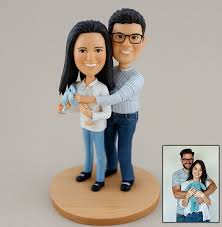
How are custom figurines made?
Once the sculpting or printing stage is finished, the painting phase begins. Painting is essential to bring personality to custom figurines, and this step often requires great artistic talent. Artists use tiny brushes to add shading, highlights, patterns, and textures. Skin tones, eye color, clothing designs, tattoos, or logos — nothing is too small to include if it contributes to accuracy. For figurines based on pets or animals, brush strokes are used to mimic fur patterns and natural markings. For superhero or fantasy characters, bold colors and dramatic effects help bring the concept to life.
After the paint dries, figurines are sealed with a protective coating. This step prevents fading, chipping, and moisture damage. Some figurines receive a matte finish, while others are treated with a glossy effect depending on the desired look. For figurines with detachable parts, accessories are attached or mounted at this stage. Artists give the piece one final inspection to ensure all details are consistent with the original design request.
Quality control is essential because custom figurines are highly personal. Creators often send progress photos to customers during the making process to confirm that every detail is accurate. Customers may request adjustments to facial expressions, poses, or colors before the final version is sealed. This collaborative approach ensures that the finished figurine matches expectations and carries emotional meaning.
Packaging is the final step before delivery. Since figurines can be fragile, especially those with delicate limbs, accessories, or sharp edges, they are packed with strong protective materials. Some creators include stands, plaques, or display bases to make the figurine easy to showcase. When presented as gifts, custom figurines are sometimes delivered in decorative boxes to enhance the experience for the recipient.
So, how are custom figurines made? They are created through a careful combination of artistic skill, technical knowledge, and attention to detail. From gathering references and sculpting structure to painting fine features and sealing the final surface, every stage contributes to transforming imagination into a physical piece of art. Whether made by hand or through 3D technology, these figurines preserve memories and personality in miniature form.
The craftsmanship behind these tiny sculptures is the reason they are treasured by so many people. Every brush stroke, every shape, and every detail is intentionally crafted to represent a person or story. Understanding the process deepens appreciation for the work and creativity involved. Custom figurines are not just objects; they are artistic representations of identity, emotion, and memory — preserved in a form that can be cherished for a lifetime.
