
TMS be customized for each patient
Transcranial Magnetic Stimulation (TMS) has become a promising and widely recognized treatment option for individuals struggling with depression, anxiety, OCD, and certain neurological conditions when traditional therapies or medications have not provided sufficient results. A common question many people ask when exploring this treatment is “Can TMS be customized for each patient?” The answer is yes—TMS is highly customizable, and this ability to adapt treatment parameters based on individual needs is one of the reasons it has shown such effectiveness and long-lasting benefits.
TMS works by using magnetic pulses to stimulate specific areas of the brain associated with mood regulation and cognitive function. Every brain is unique, and therefore, the exact placement of stimulation and the intensity level can differ depending on the symptoms, severity of the condition, and how a patient responds to therapy over time. Before beginning TMS, patients undergo a thorough evaluation, which may include medical history, past treatment attempts, and a mapping session to identify the correct brain target. This process ensures that treatment begins with a foundation tailored specifically to the patient’s neurological patterns.
The ability to customize treatment does not end after the initial evaluation. During the course of therapy, clinicians closely monitor progress and adjust parameters as needed. Some patients may require increased stimulation strength, while others might benefit from different coil positioning or variations in frequency. The flexibility to make these changes ensures that therapy remains optimal throughout the entire treatment period. This individualized approach helps increase the likelihood of a positive outcome, especially for patients who have not seen improvement through other mental health interventions.
Another factor influencing customization is tolerance. Some individuals may experience mild discomfort at the stimulation site or temporary headaches when starting TMS. With adjustable settings, practitioners can gradually increase intensity to maximize comfort without sacrificing effectiveness. This progressive approach makes the treatment more manageable and supports higher patient retention, which is essential because consistency plays a major role in TMS success.
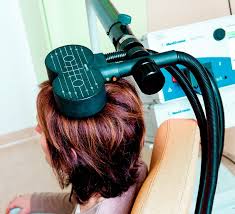
Can TMS be customized for each patient?
Different conditions also require distinct treatment strategies. For instance, depression often involves stimulating the left dorsolateral prefrontal cortex, while OCD may require a different targeted area and treatment protocol altogether. These disorder-specific differences further highlight why a personalized plan is critical. No two people experience mental health struggles the same way, and TMS respects this by offering adaptable therapy rather than a one-size-fits-all solution.
If someone is considering TMS and searching online for “tms near me”, they will likely discover that many reputable clinics emphasize personalized care as a core part of their treatment process. Choosing a qualified provider who prioritizes customization is one of the best ways to ensure a successful and supportive treatment experience. During a consultation, patients can ask how the clinic tailors protocols, manages progress monitoring, and adjusts treatment based on response.
Ultimately, answering the question “Can TMS be customized for each patient?” reinforces the value of individualized mental healthcare. TMS offers hope through science, precision, and flexibility—allowing people to receive treatment that aligns with their unique brain patterns, challenges, and goals. As more individuals seek alternatives to medication-only approaches, TMS continues to stand out as a powerful solution designed around the person, not just the diagnosis.
