
maintain tractor parts properly
Knowing how to maintain tractor parts properly is essential for ensuring your tractor operates efficiently, lasts longer, and avoids unexpected breakdowns during crucial work periods. Whether you own a modern machine or a vintage model, proper care and maintenance of Tractor parts can significantly reduce repair costs and improve performance. Many farmers and equipment owners focus on fuel, oil, and general servicing, but paying close attention to the condition of specific components plays an equally important role in extending the life of the tractor. Understanding the right practices can help you keep every part working smoothly and safely.
One of the first steps in learning how to maintain tractor parts properly is following the manufacturer’s recommended maintenance schedule. Every tractor comes with a manual that outlines when to clean, lubricate, adjust, or replace certain Tractor parts. These guidelines are designed based on engineering research and field testing, so adhering to them ensures that components wear out slowly and evenly. Ignoring these recommendations often leads to early wear, unexpected failures, and costly repairs that could have been avoided. Keeping the manual accessible and reviewing it regularly helps ensure you are always aware of what needs attention.
Cleaning is another essential part of maintaining Tractor parts. Dirt, mud, grease, and crop residues can build up on various components, reducing their efficiency and causing premature wear. For example, excessive dirt around the engine, filters, or hydraulic connections can lead to overheating or leaks. By cleaning these areas frequently, you protect the Tractor parts from abrasive particles that may damage their surfaces. Using compressed air, water hoses, and soft brushes can help remove debris without damaging sensitive components. Proper cleaning also makes it easier to spot early signs of wear, cracks, or loose fittings.
Lubrication plays a vital role in tractor maintenance. Many Tractor parts, such as bearings, joints, and moving linkages, require regular greasing to operate smoothly. Without proper lubrication, friction increases, generating heat and causing components to wear out faster. Learning how to maintain tractor parts properly includes understanding which lubricants to use and how often to apply them. Using the right type of oil or grease recommended by the manufacturer ensures optimal performance. It is also important to clean old grease before applying new lubricant, as mixing different types may cause buildup or reduce effectiveness.
Monitoring fluid levels is another key practice. Tractor parts such as the engine, transmission, brakes, and hydraulic system rely on various fluids to function properly. Low or contaminated fluids can cause severe damage to internal parts. Regularly checking engine oil, coolant, hydraulic oil, and transmission fluid helps prevent overheating, wear, or failures. Changing fluids at the recommended intervals and using manufacturer-approved products keeps the system functioning efficiently. This is especially important during peak usage seasons, when tractors run longer hours and rely heavily on their internal lubrication systems.
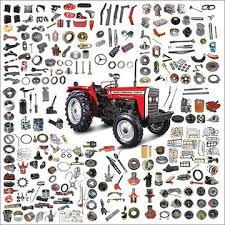
How do I maintain tractor parts properly?
Inspecting Tractor parts regularly helps identify problems before they become serious. A visual inspection of belts, hoses, filters, tires, and electrical connections can reveal signs of damage or wear. Cracked hoses, frayed belts, or loose electrical wires can lead to breakdowns if not addressed promptly. Learning how to maintain tractor parts properly means developing a habit of performing both quick daily checks and thorough monthly inspections. These routine practices not only extend the life of the Tractor parts but also enhance overall safety.
Proper storage is another important aspect of maintenance. Leaving tractors exposed to harsh weather conditions can damage many Tractor parts. Sun exposure, moisture, and extreme temperatures can weaken rubber components, cause rust, and reduce the life of electronics and hoses. Storing the tractor in a covered or enclosed space protects it from environmental damage. If indoor storage is not available, using a high-quality cover can help shield important components from weather-related wear.
Tire maintenance is a crucial yet often overlooked part of learning how to maintain tractor parts properly. Tires play a critical role in safety, traction, and fuel efficiency. Checking tire pressure regularly ensures even wear and prevents blowouts. Overinflated or underinflated tires can cause strain on the tractor’s transmission and suspension components. Additionally, inspecting tires for cuts, punctures, or uneven wear patterns can help identify alignment or mechanical issues that may need attention.
Battery care also contributes to maintaining Tractor parts effectively. Dirty terminals, loose cables, and weak batteries can affect the tractor’s starting ability and electrical performance. Keeping the battery clean, fully charged, and properly secured ensures reliable operation. In colder seasons, storing the battery indoors or using a trickle charger can help maintain its health.
Replacing worn-out parts promptly is another important part of proper maintenance. Continuing to use damaged or deteriorated Tractor parts can lead to failures elsewhere in the machine. For example, a worn belt can cause overheating in other components, while a damaged filter can contaminate the engine. Early replacement prevents bigger problems and keeps the tractor running smoothly.
In summary, understanding how to maintain tractor parts properly involves a combination of cleaning, lubrication, inspection, proper storage, fluid checks, and timely replacement. These practices help protect valuable Tractor parts, improve performance, and extend the overall lifespan of your equipment. With consistent attention and proper upkeep, your tractor will remain reliable, efficient, and ready to perform whenever needed.
